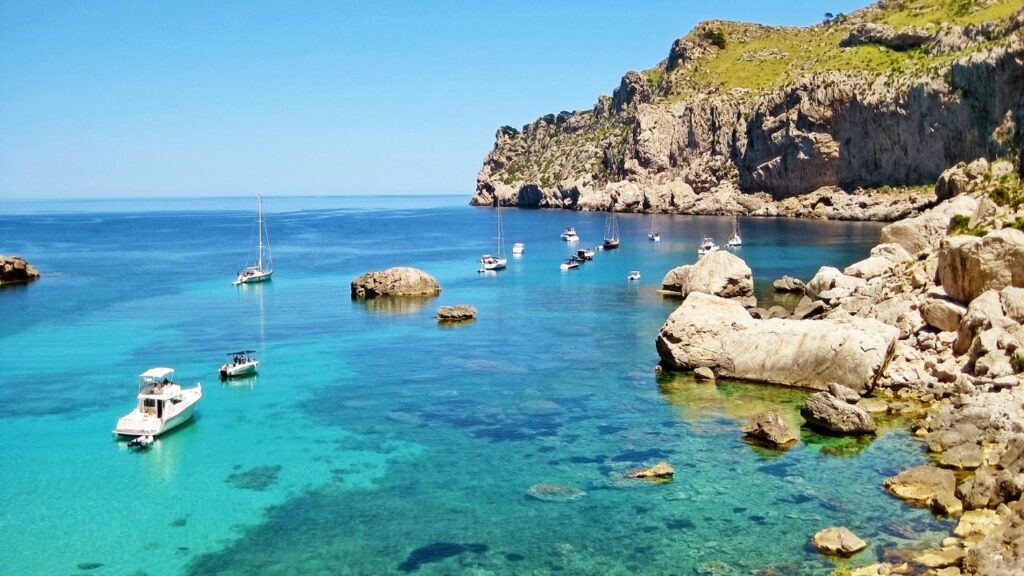
Ibiza – where it is located and why it is worth visiting
Ibiza is one of the most recognizable islands in Europe, located in the Mediterranean Sea and belonging to the Balearic archipelago, which is part of Spain. It lies approximately 80 km from the eastern coast of the Iberian Peninsula, near islands such as Mallorca and Menorca. Although it may appear small on the map, in reality it offers a surprising diversity of landscapes and experiences.
When I first traveled across Ibiza from north to south, I quickly realized that its popular image as a “party island” is only a fragment of the truth. Indeed, the capital – Ibiza Town – comes alive until the early hours of the morning, and names such as Pacha or Amnesia are known worldwide. However, it is enough to move just a few kilometers away from the main resorts to discover a completely different side of the island.
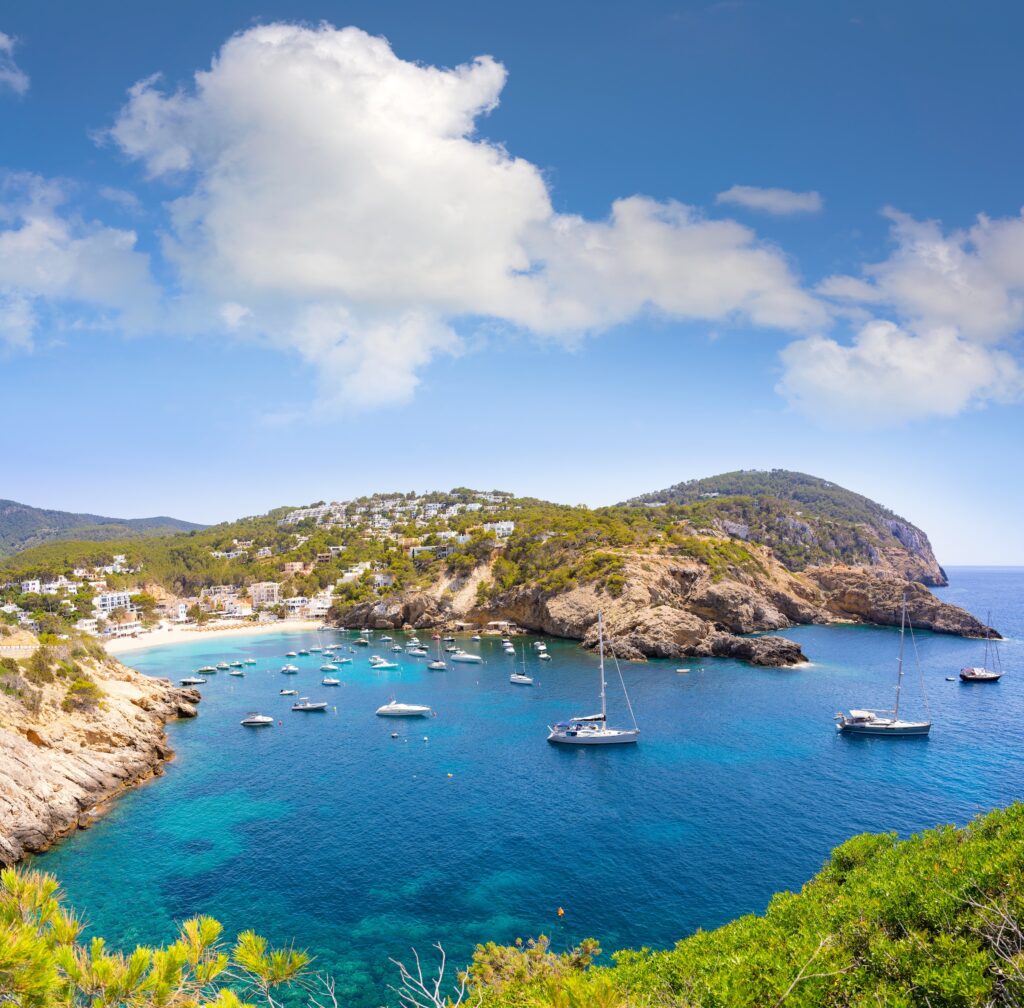
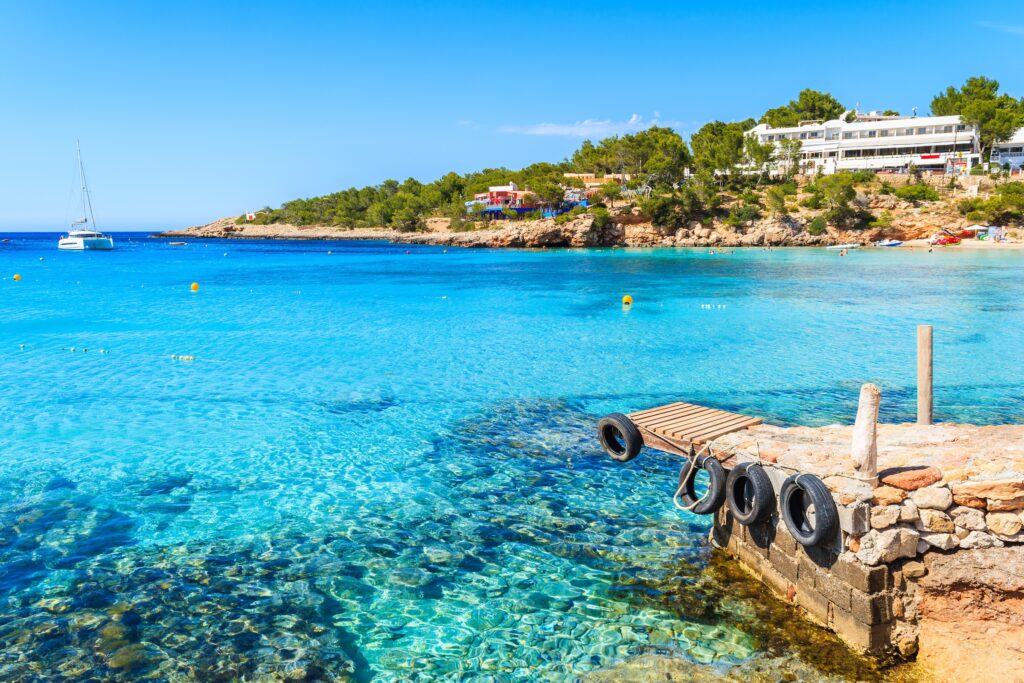
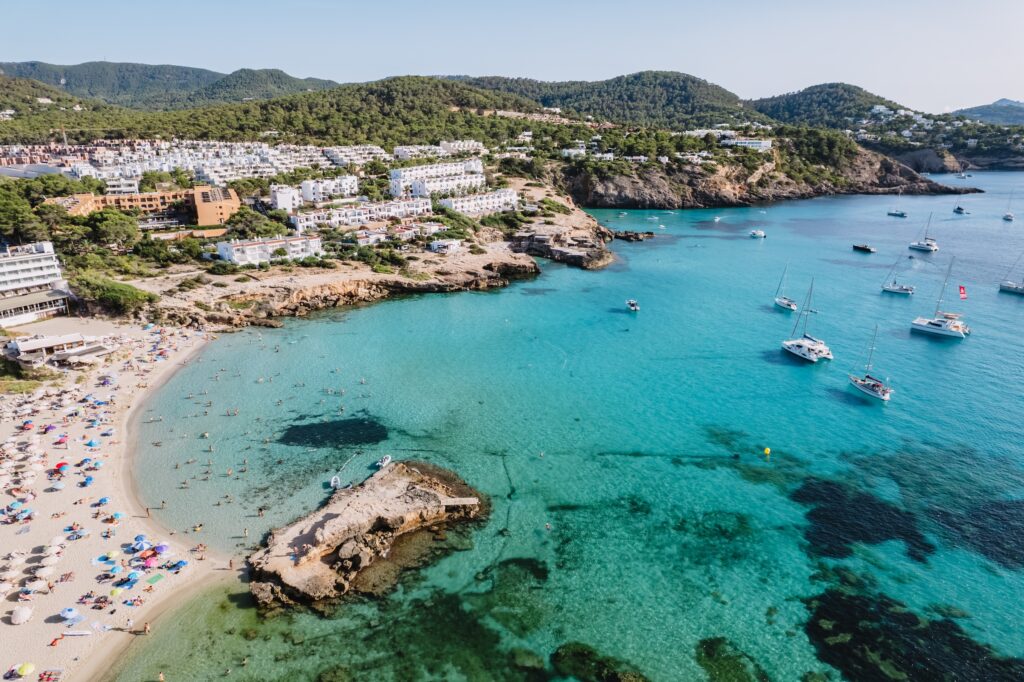
Ibiza is especially captivating for its nature. Rugged cliffs dropping into turquoise waters, hidden coves accessible only on foot, and pine forests scented with resin create a landscape that is difficult to confuse with any other place in Europe. In the northern part of the island, one can hike for hours without encountering crowds, and the sunsets observed from wild viewpoints are among the most beautiful I have seen over the Mediterranean Sea.
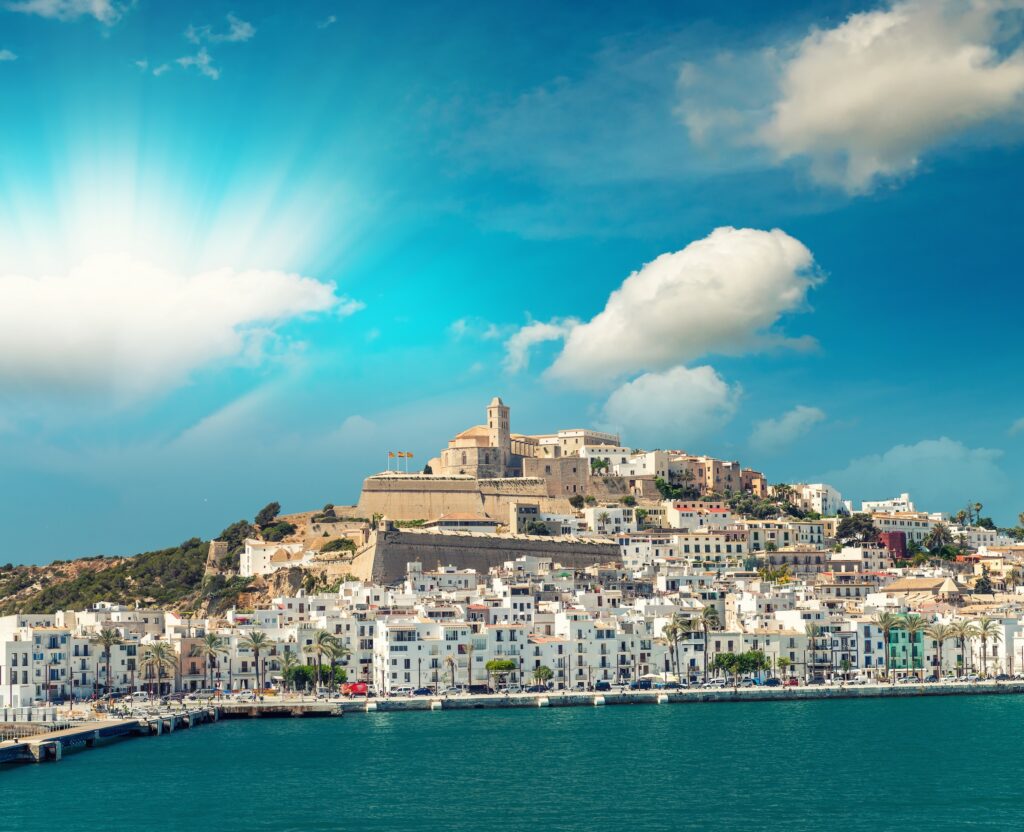
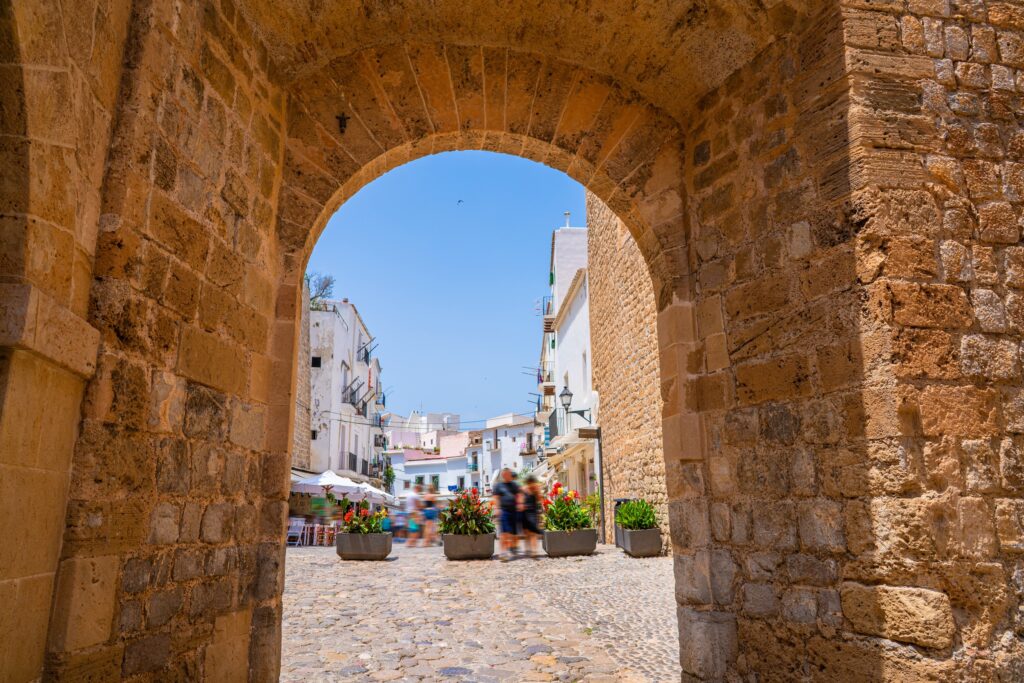
It is also a place with an extraordinary history. Walking through the cobbled streets of the old town of Dalt Vila – a UNESCO World Heritage Site – one can sense the legacy of Phoenician traders, Roman settlers, and medieval defenders of the island. Each era has left its mark here, creating a unique blend of cultures.
Ibiza also attracts with its atmosphere of freedom and diversity. Since the 1960s, it has been a haven for artists, hippies, and all those seeking an alternative lifestyle. To this day, this spirit can still be felt at local markets, in small galleries, and in intimate restaurants hidden deep within the island.
So why is it worth visiting Ibiza? Because it is a place that knows how to surprise. One can spend one day immersed in crystal-clear waters, the next exploring historic alleyways, and in the evening admiring a spectacular sunset – either far from the crowds or in the very heart of the action. Whether one is seeking relaxation, adventure, or inspiration, Ibiza offers far more than stereotypes suggest.
Ibiza – essential practical information (2026)
Ibiza is an island best explored consciously – not only by following excitement, but also by carefully planning each stage of the journey. After a few days spent there, I quickly realized that logistics play a crucial role. The right timing, means of transport, and accommodation base can completely transform the trip – from chaotic to truly comfortable and well-structured.
How to get to Ibiza
The most convenient way to reach the island is, of course, by plane. Flights from Poland – both direct in the high season and with connections – land at Ibiza Airport, located just a few kilometers from Ibiza Town. Even during landing, the island’s characteristic contrasts are visible – bright, rocky coastline and intensely turquoise water.
An alternative is ferry connections from mainland Spain, mainly from Barcelona and Valencia. This is a slower option, but for many travelers it offers a more atmospheric experience – especially when traveling by car and wanting to have it available on the island.
When is the best time to visit (weather and season)
Ibiza changes with the seasons – more than one might expect.
The high season runs from June to September. This is when the island is at its most vibrant – clubs are open, beaches are crowded, and temperatures often exceed 30°C. For those who want to experience the energy Ibiza is known for, this is the ideal period.
Personally, however, I found Ibiza most impressive outside the peak season – in May and October. Temperatures are then ideal for sightseeing (around 22–26°C), the light is softer, and the island is significantly calmer. It is the best time to explore hidden coves, walk through the hills, and enjoy peaceful dinners overlooking the sea.
In winter, Ibiza almost falls asleep – many places are closed, but this allows visitors to see its most authentic side.
How to get around the island
This is one of the key elements of a successful stay. Ibiza is not large, but public transport mainly serves the most important locations. If one plans to see more than just the hotel surroundings, renting a car is strongly recommended.
Travelling by car allows one to cross the island from the lively south to the wild, green north in a single day. It is precisely then that one discovers places not found in standard guidebooks – small coves, local restaurants, and viewpoints without crowds.
An alternative is scooters, which work well for shorter distances and make parking easier in popular areas. For those who prefer comfort, taxis and ride-hailing services are also available, although prices tend to be higher during the high season.
Ibiza attractions – what is worth seeing? The best places on the island
Ibiza is not an island that one simply “checks off” a list. Every day here looks different — and that is precisely where its strength lies. Mornings are calm, afternoons carry the scent of the sea and pine trees, and evenings… depend entirely on what you are looking for.
Below you will find places that are truly worth visiting — without artificially inflating the list.
Dalt Vila – the old town with a UNESCO atmosphere
The best way to start sightseeing is with the historical heart of the island, Dalt Vila.
- cobblestone streets and whitewashed walls
- views over the harbour and the Mediterranean Sea
- the atmosphere of an old town listed as a UNESCO World Heritage Site
👉 Best time: late afternoon
The light reflects off the walls at that time, giving the entire place an almost cinematic appearance.
The most beautiful beaches in Ibiza (TOP selection)
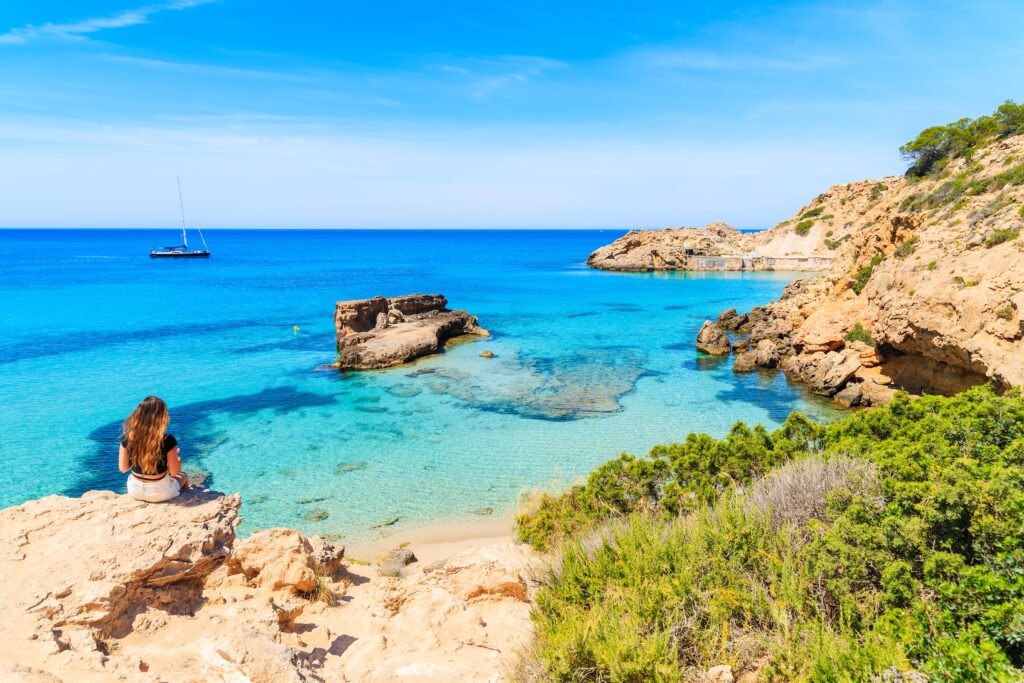
The beaches in Ibiza are very diverse — from wide bays to wild, hidden spots between cliffs.
Best beaches:
- Cala Comte – turquoise water and views of small islands (one of the most beautiful on the island)
- Cala Saladeta – more wild, with a short walk required to reach it
- Talamanca – calm and close to the capital
- Cala d’Hort – views of the legendary rock formation Es Vedrà
👉 Tip: in the morning, the water is at its clearest and the colors are the most intense
Es Vedrà – the most magical place in Ibiza
It is difficult to say whether it is about the legends or the view itself — but Es Vedrà is truly impressive.
- a massive rocky island rising from the sea
- one of the most photographed spots in Ibiza
- sunsets that stay in memory for a long time
👉 Best approach: arrive about an hour before sunset and stay until dusk
Sunsets – the island’s daily ritual
In Ibiza, sunset is more than a moment — it is a ritual.
Best spots:
- Cala Comte
- areas around Sant Antoni de Portmany
- less known cliffs on the western coast
In popular locations there is music and crowds, but it is enough to walk a little further to find silence.
Hidden coves – Ibiza without the crowds
The best places often have no names or signs.
These are:
- small coves between cliffs
- paths leading through pine forests
- spots without sunbeds or infrastructure
👉 This is where Ibiza reveals its most authentic side
Clubs and nightlife (if you want to experience it)
Ibiza is a global capital of electronic music — and it is hard to completely ignore it.
Most famous venues:
- Ushuaïa Ibiza
- Hï Ibiza
- Pacha Ibiza
Even if you are not planning to party, it is worth seeing it at least once — more as a phenomenon than a “must-do” activity.
Active Ibiza – more than just beaches
The island also works perfectly beyond sunbathing:
- hiking in the northern part of the island
- snorkelling in crystal-clear water
- boat trips along the coastline
👉 Best moments? Early mornings — when the island is still empty and quiet
My advice after travelling here
Do not try to see everything.
Ibiza works best when you:
- explore one region per day
- leave space for spontaneous stops
- turn onto roads “without a plan”
That is exactly where you will find places that are not mentioned in any guidebook.
Ibiza sightseeing plan – ready-made itineraries for 3, 5 and 7 days
Ibiza is an island that is easy to “ruin” with a poorly planned itinerary. Distances may not be large, but winding roads, traffic jams, and spontaneous stops can significantly extend each day.
Therefore, instead of chaotic sightseeing, it is better to approach it strategically: divide the island into regions and explore it step by step.
Below you will find ready-made plans — tested in practice.
Ibiza in 3 days – the most important places (intensive, but meaningful)
If you only have 3 days, focus on the essence of the island.
Day 1 – Ibiza Town and first impressions
- walk through Dalt Vila
- views over the harbour and the old town
- dinner around the marina
👉 This is the best start — it allows you to “feel the atmosphere” of the island
Day 2 – the western coast and sunset
- Cala Comte (morning or midday)
- Cala Saladeta (more wild and natural)
- evening around Sant Antoni
👉 Sunset is an essential part of the day
Day 3 – quieter Ibiza
- Talamanca or the eastern coast
- Las Dalias Hippy Market (if open)
- a relaxed, unhurried day
👉 Here you start to see the “second face” of Ibiza
Ibiza in 5 days – balance between attractions and relaxation
Five days is an ideal option for most travelers — there is time both for sightseeing and for rest.
Days 1–2 – the south and Ibiza Town
- Dalt Vila
- Marina Ibiza
- beaches near the capital
👉 No rush — easing into the rhythm of the island
Day 3 – the west and the most beautiful views
- Cala Comte
- Cala d’Hort
- viewpoint of Es Vedrà
👉 One of the most visually impressive days
Day 4 – the north and hidden spots
- area around Sant Joan de Labritja
- small coves and cliffs
- less touristy part of the island
👉 The most authentic Ibiza
Day 5 – relaxation or Formentera
- beach (e.g. Talamanca)
or - boat trip to Formentera
👉 A day to slow down
Ibiza in 7 days – full experience of the island
A full week allows you to truly immerse yourself in Ibiza and experience it without rushing.
Simplified plan:
Day 1 – Ibiza Town and acclimatisation
Day 2 – the east + hippie markets
Day 3 – the west + beaches
Day 4 – the northern part of the island
Day 5 – Es Vedrà and cliffs
Day 6 – Formentera
Day 7 – slow ending and relaxation
👉 This is a plan that gives space — not just a list of places
How to plan your route to avoid wasting time
The most common mistake:
👉 visiting several distant places in one day
Instead:
- focus on one region per day
- leave time for spontaneous stops
- avoid driving “back and forth”
👉 Ibiza rewards calmness, not speed
The most common planning mistakes
- not renting a car
- trying to see everything in 2–3 days
- ignoring the northern part of the island
- not planning sunsets
My advice after travelling
The best moments in Ibiza are not in the plan.
They are:
- an accidental cove
- a viewpoint by the road
- a place where you stop “for a moment”… and stay for an hour
That is why it is worth leaving intentional “empty spaces” in your itinerary.
That is exactly where the most happens.
Ibiza – what to see beyond the main attractions? (hidden gems)
Every island has its “icons” — places that appear on postcards and in guidebooks. Ibiza is no exception. However, the real magic begins where the official sightseeing route ends. After a few days of driving along the coastline and through the island’s winding inland roads, I consciously started to skip popular spots in favour of places without parking lots or signage.
It is these locations that create the true image of Ibiza — more raw, calmer, and authentic.
The northern part of the island – Ibiza without filters
The northern part of the island is a complete contrast to the lively south. The roads become narrower, the light softer, and the landscape suddenly transforms into a mix of forests, cliffs, and small farms.
Around the towns of Sant Joan de Labritja and Sant Miquel de Balansat, one can come across small coves accessible only via walking trails. They are not named in guidebooks, yet it is often there that the clearest water and absolute silence can be found.
This is where Ibiza stops being a “tourism product” and becomes an island moving at its natural rhythm.
Hidden viewpoints
The moments I remember most are those when there was no one around. It is enough to leave the main road and climb one of the many unmarked viewpoints.
One such area is the cliffs on the western coast, overlooking the legendary Es Vedrà. Unlike the popular viewing spots, just a few metres away one can find completely empty places — ideal for watching the sunset in silence.
It is precisely there that it becomes easiest to understand why Ibiza is described as an island with a “special energy”.
Small inland villages
Ibiza is not only about the coastline. Deep in the island, there are small white villages that feel as if time has stopped.
Walking through places such as Santa Gertrudis de Fruitera, one gets the impression that life moves more slowly here. Small cafés, local galleries, and quiet squares create an atmosphere completely different from the resorts.
These are perfect places for a break — coffee, a relaxed lunch, and observing everyday local life.
Unmarked coves and “wild beaches”
One of the greatest discoveries in Ibiza are places that do not appear in popular attraction searches.
On the northern and north-western coast, one can find small coves hidden between rocks and pine trees. Some require a short walk, others demand a bit of intuition and patience.
The lack of infrastructure makes them much quieter even in peak season. These are places where the only sounds are the wind and the sea.
Forgotten paths and scenic roads
Ibiza has an extremely dense network of small roads that often do not lead to specific attractions, but simply “somewhere further”. And it is precisely these routes that can be the most rewarding.
Many of them run along cliffs or through pine forests, offering sudden openings onto sea views. Sometimes it is enough to stop the car in an arbitrary spot to witness one of the best views of the entire journey.
Local life outside the season
The most authentic Ibiza I experienced was outside the main season. At that time, the island stops being a dynamic resort and begins to resemble a quiet community where everyone knows each other.
Restaurants become more intimate, markets less crowded, and conversations with locals naturally longer and more genuine.
It is then that it becomes easiest to feel that Ibiza is not only a holiday destination, but also a place to live.
The more time one spends in Ibiza, the more obvious one thing becomes: the greatest impressions do not come from a “must-see” list.
They appear by accident — when one turns onto the wrong road, stays somewhere a bit longer than planned, or simply allows space for no plan at all.
And that is exactly when Ibiza stays in memory long after returning home.
Accommodation in Ibiza – prices, locations and where to stay
In Ibiza, accommodation is not just a place to sleep — it is a decision that has a real impact on the entire trip. The same island can feel peaceful and intimate or loud and intense… everything depends on where you stay.
After a few days on the island, one thing becomes clear: location matters more than the hotel standard.
Accommodation prices in Ibiza (2026)
Ibiza is one of the more expensive destinations in Europe, and prices vary significantly depending on the season.
Average prices per night (for 2 people):
Low season (May, October):
- hostels / budget rooms: 60–120 €
- 3★ hotels / apartments: 100–180 €
- 4–5★ hotels: 180–350 €
Mid season (June, September):
- 80–150 €
- 150–250 €
- 250–500 €
High season (July–August):
- 120–200 €
- 200–400 €
- 400 € – even several thousand € per night
👉 The biggest price increase concerns accommodation — other expenses rise much less
Where to stay in Ibiza? Best locations
Ibiza Town (Eivissa) – best base for first-time visitors
- close to the airport and port
- access to restaurants, shops, and attractions
- good transport connections
👉 ideal if it is your first visit and you want everything within reach
Western coast (Sant Antoni and surroundings)
- great sunsets
- plenty of hotels and apartments
- more tourist-oriented atmosphere
👉 a good option if you care about views and beaches
Northern Ibiza – peace and atmosphere
- fewer tourists
- boutique stays and rural fincas
- more natural landscapes
👉 the best choice if you are looking for calm and authenticity
Eastern side – the golden middle
- quieter than the south
- nice beaches (e.g. around Talamanca)
- local vibe + good infrastructure
👉 a compromise between comfort and tranquillity
Types of accommodation – what to choose?
On Ibiza you have several options — each offers a different experience:
- apartments – the most common choice, good value for money
- boutique hotels – more atmospheric, often more expensive
- fincas (country houses) – authentic Ibiza, usually inland
- hostels – budget option, mainly in larger towns
👉 If you rent a car, it is worth considering staying outside the main resorts
How to reduce accommodation costs (proven tips)
- book in advance (especially for summer)
- choose May or October
- look for accommodation 10–15 minutes away from main beaches
- avoid weekends in peak season
👉 Price differences can reach up to 50%
Most common mistakes when choosing accommodation
- choosing only based on price
- not checking the location (e.g. far from everything)
- not having a car when staying outside towns
- last-minute bookings in high season
My observation from travelling
The biggest difference is not the hotel standard, but its location.
You can stay in a simple apartment:
- with sea view
- close to a small, quiet cove
…and have a better experience than in an expensive hotel in the middle of the party zone.
How much does accommodation in Ibiza really cost?
👉 Most common scenario (for 2 people):
- off season: 100–180 € / night
- in season: 200–350 € / night
Ibiza is not cheap — but the right accommodation can completely transform how the island is experienced.
Ibiza – curiosities you may not know about
Often perceived as a destination of parties, clubs, and luxurious nightlife, Ibiza is far more layered than its reputation suggests. But once you spend more time here and step off the beaten path, it quickly becomes clear that this is only one of its many faces. The real Ibiza is far more complex — and that is exactly what makes it so fascinating.
What strikes you most is the contrast. Within just one hour, you can move from the energetic south of the island, where world-class clubs and beach parties dominate, to the almost meditative silence of the north. There, life moves more slowly, and instead of music you hear wind in the trees and cicadas. It is precisely in this part of the island that it becomes easiest to understand why Ibiza has attracted artists, outsiders, and freedom-seekers for decades.
Traces of this alternative history are still visible today. In the 1960s and 1970s, the island became a haven for the hippie movement, and their spirit has survived in the lifestyle, local markets, and approach to everyday life. You can still feel it, for example, at the famous Las Dalias Hippy Market, where commerce blends with music, art, and a relaxed atmosphere, as if time had stopped several decades ago.
A completely different, more historical side of the island can be discovered in Dalt Vila. This old town, listed as a UNESCO World Heritage Site, has nothing in common with Ibiza’s party image. Its stone streets, defensive walls, and views over the harbour are a reminder of the island’s strategic importance throughout history rather than its modern music festivals.
Ibiza also has something difficult to define — a certain kind of energy, often mentioned by both locals and travellers. It is most frequently associated with the mysterious rock formation of Es Vedrà. Whether or not you believe in local legends, simply standing in front of this massive formation at sunset is enough to feel that there is something truly special about this place.
And speaking of sunsets — on Ibiza they are not just part of the day, but almost a ritual. People gather in places such as Café del Mar to watch the sun sink into the sea accompanied by calm music. It is a moment that can bring together complete strangers and, for a short while, suspend time itself.
Interestingly, despite its party reputation, Ibiza has some of the cleanest waters in Europe. This is thanks to underwater seagrass meadows that naturally filter the sea and give it an intense turquoise colour. The effect is visible to the naked eye — especially in less crowded coves.
It is also worth remembering that Ibiza is one of the most important points on the global music map. Clubs such as Pacha Ibiza and Ushuaïa Ibiza are legendary venues that set trends in electronic music. But even if you are not a party enthusiast, their presence is part of the island’s identity — just like the silence of the north or the hippie markets.
The longer you stay in Ibiza, the more you realise that its phenomenon is not based on a single attraction or lifestyle. It is rather a blend of contrasts — history and modernity, noise and silence, luxury and simplicity. And that is exactly why Ibiza stays in your mind long after you return home.
Summary – is Ibiza worth visiting?
Ibiza is one of those destinations that is very easy to judge — and just as easy to misjudge. If you look at it only through the lens of clubs, loud parties, and luxury beach venues, you are seeing only a fragment of the truth. Because Ibiza is not so much a travel destination as it is an experience that everyone lives a little differently.
On one hand, you have a world-class music scene and legendary places such as Pacha Ibiza and Ushuaïa Ibiza — symbols of energy, freedom, and endless celebration. On the other hand, there is a completely different Ibiza: calm, almost raw, full of hidden coves, viewpoints, and moments of silence that are hard to find in many popular places in Europe.
A walk through Dalt Vila reminds you that the island has a history and character reaching far beyond modern tourism. A sunset at Es Vedrà, in turn, shows that Ibiza can feel almost magical — even without music or crowds.
Is it worth going there? If you are looking for a one-dimensional destination — perhaps not. But if you enjoy places with many layers, which can be explored on your own terms, Ibiza is an excellent choice. You can spend a week here without entering a single club. Or you can immerse yourself in the nightlife and see why the island has attracted people from all over the world for decades.
The greatest strength of Ibiza lies in its diversity. It is an island of contrasts — between silence and noise, nature and luxury, tradition and modernity. And it is up to you which version you choose.
So the answer is: yes, it is worth it. But on one condition — that you allow Ibiza to show itself from more than just one side.